Author: Sang Lee

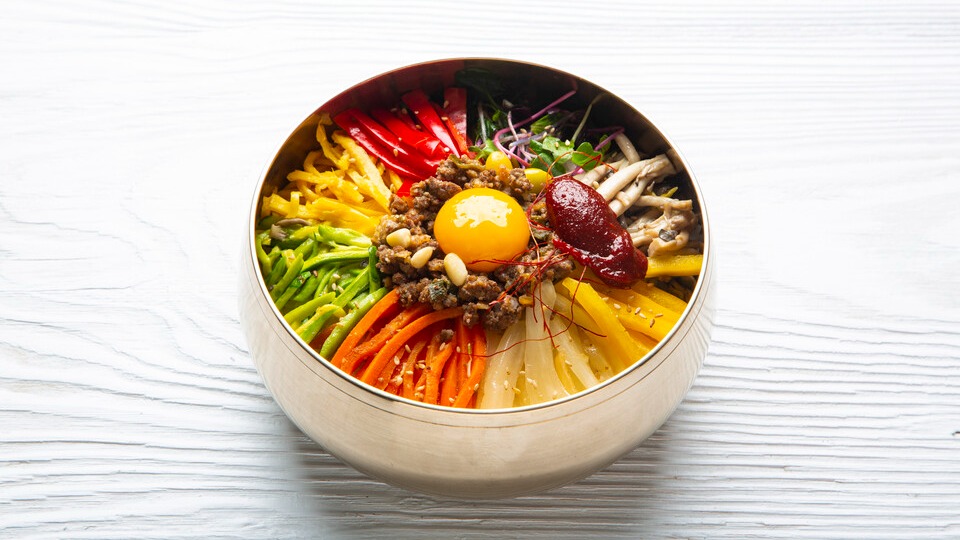
  • 🥢 Easy Korean Bibimbap

    A healthy harmony of assorted vegetables and well-balanced ingredients! Try making Bibimbap, a classic Korean dish that combines warm rice with sautéed vegetables, seasoned meat(or go meat-free for a vegetarian version), and a spicy-sweet sauce. It’s not only satisfying but also a feast for the eyes!

    📝 Ingredients

    (Serves 1)

    For the toppings:

    • 100g pork, thinly sliced
    • 1/5 zucchini, julienned
    • 1/2 onion, thinly sliced
    • 1/3 carrot, julienned
    • 1 egg
    • 1 bowl of cooked rice10,000 Recipe

    For the sauce:

    • 2 tablespoons gochujang (Korean red chili paste)
    • 2 tablespoons soy sauce
    • 1.5 tablespoons sugar
    • 1 tablespoon sesame seeds
    • 1 tablespoon sesame oil
    • 1 tablespoon vinegar

    🍳 Instructions

    1. Prepare the vegetables:
      • Julienne the zucchini, carrot, and onion.
    2. Make the sauce:
      • In a bowl, mix gochujang, soy sauce, sugar, sesame seeds, sesame oil, and vinegar until well combined.
    3. Sauté the vegetables:
      • In a pan, add a pinch of salt and sauté the carrot until tender. Set aside.
      • Repeat the process with the zucchini.
      • For the onion, sauté with 1 tablespoon of soy sauce over medium heat until caramelized.10,000 Recipe
    4. Cook the pork:
      • Season the sliced pork with salt and pepper. Sauté until fully cooked.
      • Mix the cooked pork with a portion of the prepared sauce.
    5. Fry the egg:
      • In a separate pan, fry the egg sunny-side up.
    6. Assemble the Bibimbap:
      • Place the warm rice in a bowl. Arrange the sautéed vegetables and seasoned pork on top.
      • Place the fried egg in the center.
      • Add a spoonful of the sauce on top.
    7. Serve:
      • Mix everything together before eating. Enjoy your homemade Bibimbap!

    💡 Tips

    • Feel free to customize the toppings with other vegetables like spinach, bean sprouts, or mushrooms.
    • For a vegetarian version, omit the meat and add tofu or extra veggies.
    • Adjust the spiciness of the sauce by varying the amount of gochujang.
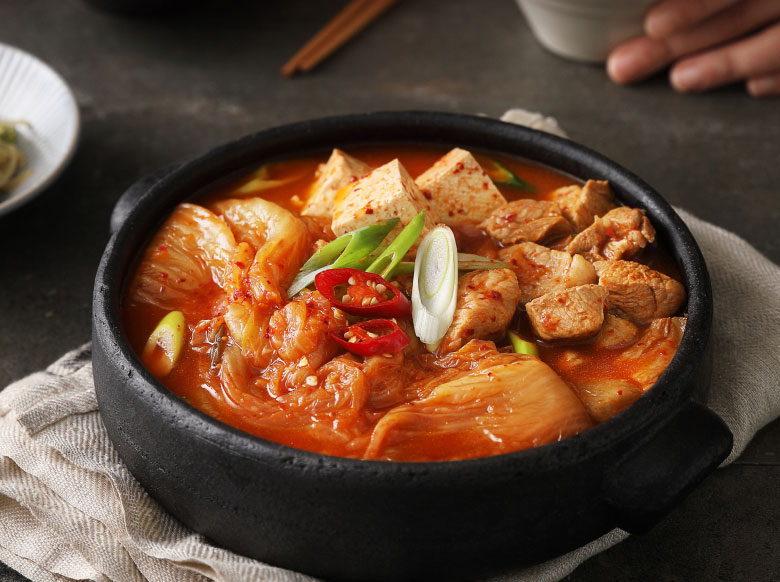
  • 🍲 Kimchi Jjigae

    If you’re looking for a comforting, spicy, and deeply flavorful dish, Kimchi Jjigae (김치찌개) is a must try. This traditional Korean stew is made with well-fermented kimchi, pork, tofu, and a savory broth

    Today, we’re making Kimchi Jjigae, a spicy and savory Korean stew that warms the heart and fills the belly. It’s a staple in many Korean households and now, you can enjoy it in yours too!


    🛒 Ingredients

    • 2 cups fermented napa cabbage kimchi, chopped
    • 1/2 lb (200g) pork belly or pork shoulder, sliced thin
    • 1/2 onion, sliced
    • 1 green onion, chopped
    • 1 block firm tofu, sliced
    • 2 cups water or anchovy broth
    • 1 tbsp gochugaru (Korean red chili flakes)
    • 1 tbsp gochujang (Korean chili paste)
    • 1 tbsp soy sauce
    • 1 tsp sesame oil
    • Optional: 1 tsp sugar (to balance sourness), mushrooms like shiitake or enoki

    👩‍🍳 Instructions

    1. Cook the pork
      In a medium-sized pot, heat a little oil and add the sliced pork. Stir-fry for 2–3 minutes until lightly browned.
    2. Add kimchi and onion
      Add the chopped kimchi and onion. Sauté together for another 2–3 minutes to bring out the flavors.
    3. Pour in the broth
      Add 2 cups of water (or anchovy broth if available). Then stir in gochugaru, gochujang, soy sauce, and sugar if using.
    4. Simmer
      Bring to a boil, then reduce the heat and let it simmer for about 20 minutes.
    5. Add tofu and green onion
      Place tofu slices on top and sprinkle in chopped green onion. Let it simmer gently for 5 more minutes.
    6. Finish with sesame oil
      Turn off the heat and drizzle with sesame oil for a nutty finish.

    🍚 How to Serve

    Serve your Kimchi Jjigae hot with a bowl of steamed rice. It’s even better the next day as the flavors deepen!


    💡 Tips

    • The more aged your kimchi, the deeper the flavor. If your kimchi is fresh, try adding a bit more gochujang or a splash of vinegar for extra tang.
    • You can skip the pork and use mushrooms or canned tuna for a vegetarian or pescatarian version.
    • Store leftovers in the fridge and reheat gently — it reheats very well!

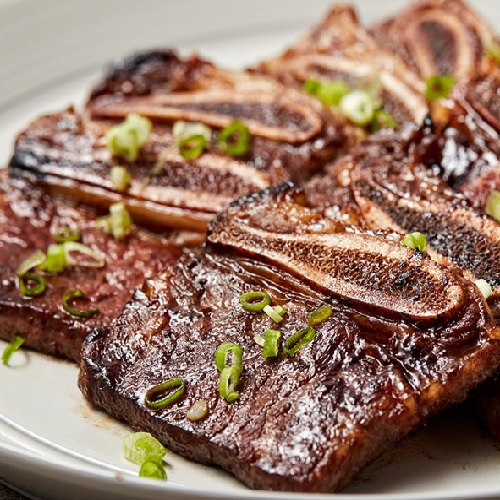
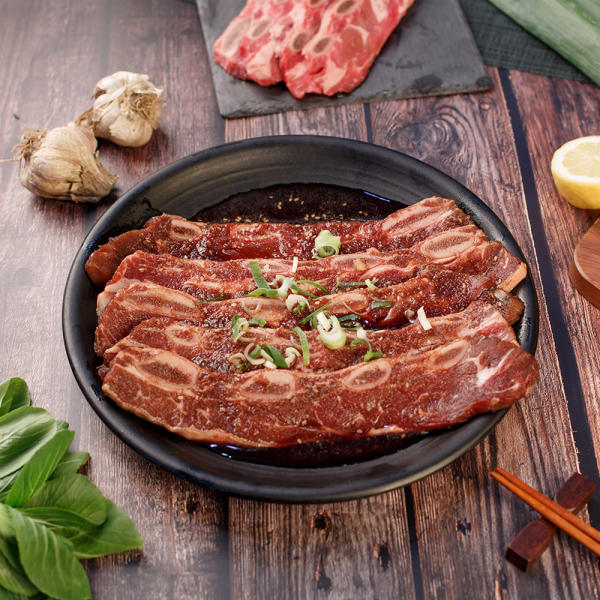
  • 🍖Korean LA Galbi(BBQ Short Ribs) Recipe

    Galbi

    By K-Home Cooking | Korean Home-Style Recipes

    If you’ve ever walked past a Korean BBQ restaurant and caught a sweet, smoky aroma in the air chances are, you were smelling LA Galbi. These marinated beef short ribs are a beloved Korean dish, especially during holidays and family gatherings. Here’s version I made at home. It’s easy even if it’s your first time trying Korean cooking!

    🛒 Ingredients

    Available at most Asian markets or large grocery stores:

    For the ribs:

    • 2.5 lbs (1.2 kg) LA-style beef short ribs (cut across the bone, about 1/3 inch thick)

    For the marinade:

    • 1/2 Korean pear (or Bosc pear), grated
    • 1/2 onion, grated
    • 1/2 cup soy sauce
    • 1/2 cup water
    • 1/4 cup brown sugar
    • 2 tbsp honey
    • 2 tbsp mirin (or rice wine)
    • 2 tbsp sesame oil
    • 1 tbsp minced garlic
    • 1/2 tbsp minced ginger
    • 1/4 tsp black pepper
    • 1 tbsp sesame seeds (optional)
    • Chopped green onion (for garnish)

    🥣 Instructions

    1. Soak the Ribs

    Rinse the short ribs in cold water to remove bone fragments. Soak them in water for 30 minutes to 1 hour to draw out any remaining blood. Drain well.

    2. Make the Marinade

    In a bowl, mix all the marinade ingredients. Grating the pear and onion helps tenderize the meat and gives it that sweet Korean BBQ flavor.

    3. Marinate the Meat

    Place the short ribs in a large Ziploc bag or container and pour the marinade over them. Massage the sauce into the meat. Marinate for at least 6 hours or ideally overnight in the refrigerator.

    4. Grill or Pan-Fry

    • Grill method: Preheat your grill and cook ribs over medium-high heat, about 3–5 minutes per side.
    • Pan method: Heat a non-stick or cast-iron pan and sear the ribs until nicely browned on both sides.

    5. Serve & Enjoy

    Garnish with sesame seeds and chopped green onions. Serve with steamed rice, kimchi, and side dishes (banchan) for a complete Korean meal!

    👩‍🍳 Tips for First-Timers

    • Korean pear gives the most authentic flavor, but regular pear works fine.
    • Don’t skip soaking the meat — it helps with flavor and texture.
    • Marinate in a glass or plastic container, not metal.

    Ready to try your own Korean BBQ night at home? Let me know how it turns out !

  • Hello World!

    Welcome to WordPress! This is your first post. Edit or delete it to take the first step in your blogging journey.